
ISO 14067
The product carbon footprint standard
The international standard for measuring and reporting the carbon footprint of a single product. It's the reference buyers in the UK and Europe look for when they ask for product-level figures.
Product carbon footprints
When customers ask for product carbon footprints, send us your catalogue as it is, with prices. GreenInsight cleans, classifies and footprints every line, so you get one CO2e figure for every product you sell, not just a few flagship items. Rapid PCF starts at £50 a product.
Your catalogue, footprinted
Every product now carries its carbon figure
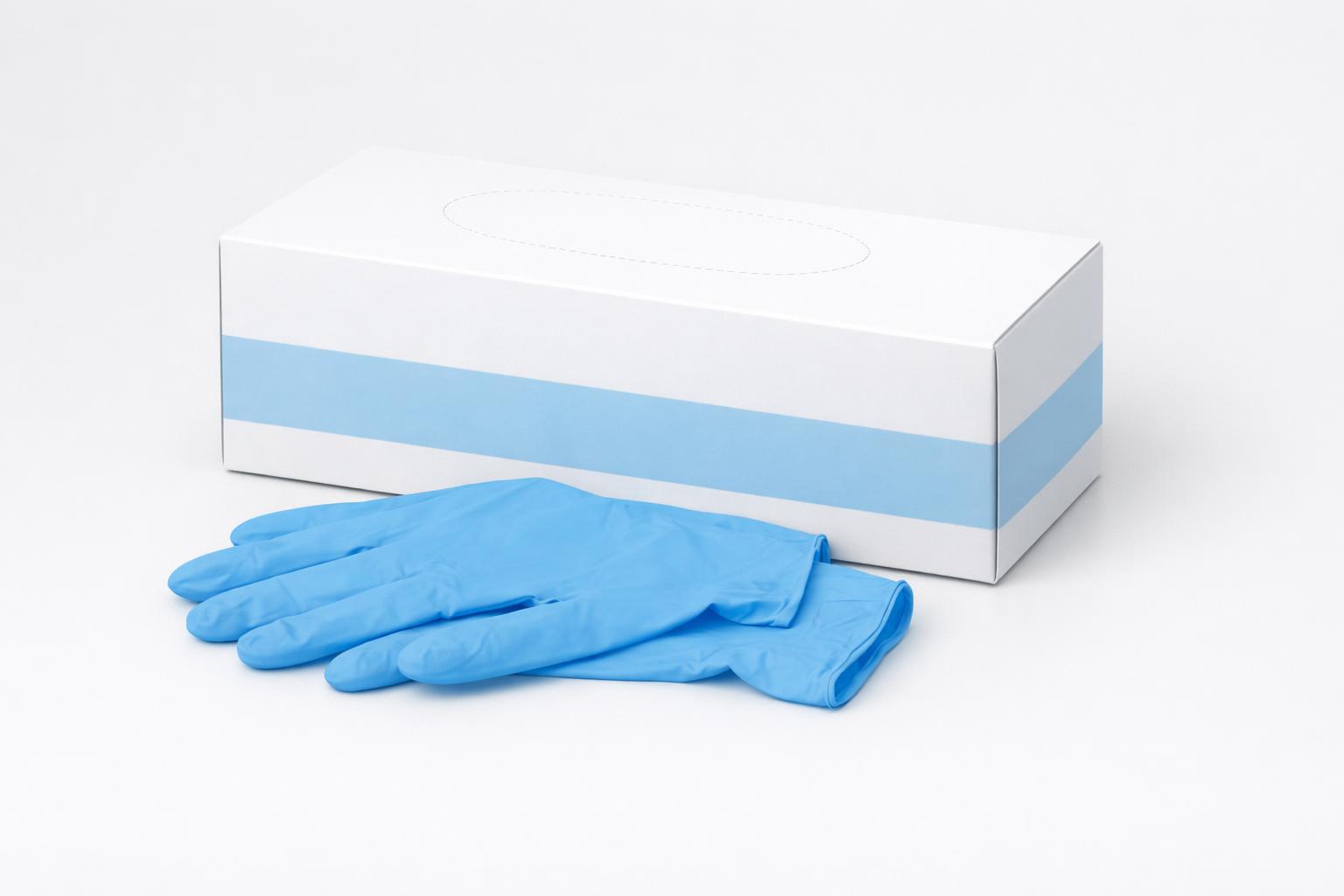
Nitrile gloves, M
Box of 100£9.80
1.9 kg CO2e

Surgical masks
Box of 50£4.90
2.1 kg CO2e

Hand sanitiser gel
500 mL£3.40
0.9 kg CO2e
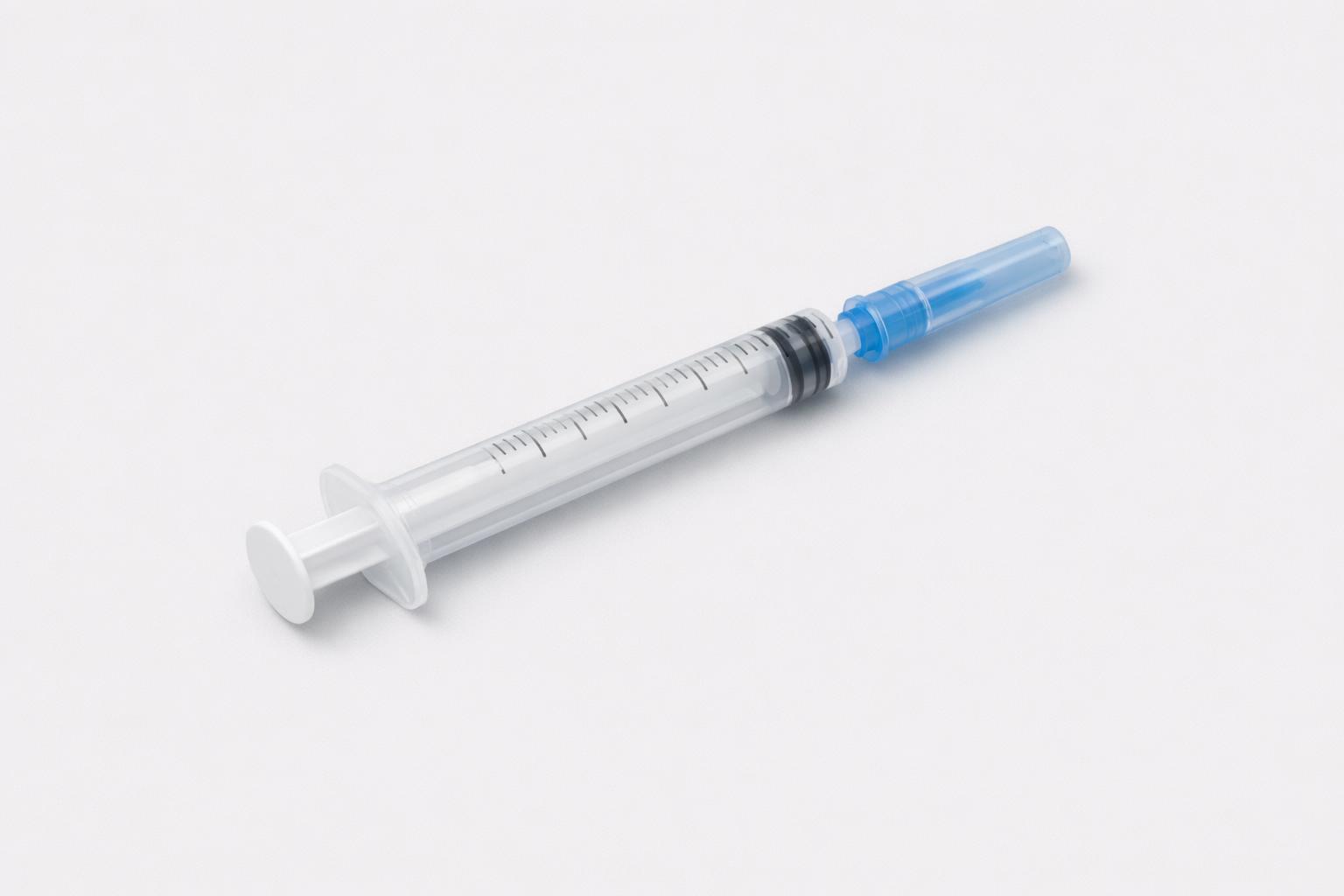
Syringe, 3 mL
Box of 100£18.40
1.2 kg CO2e
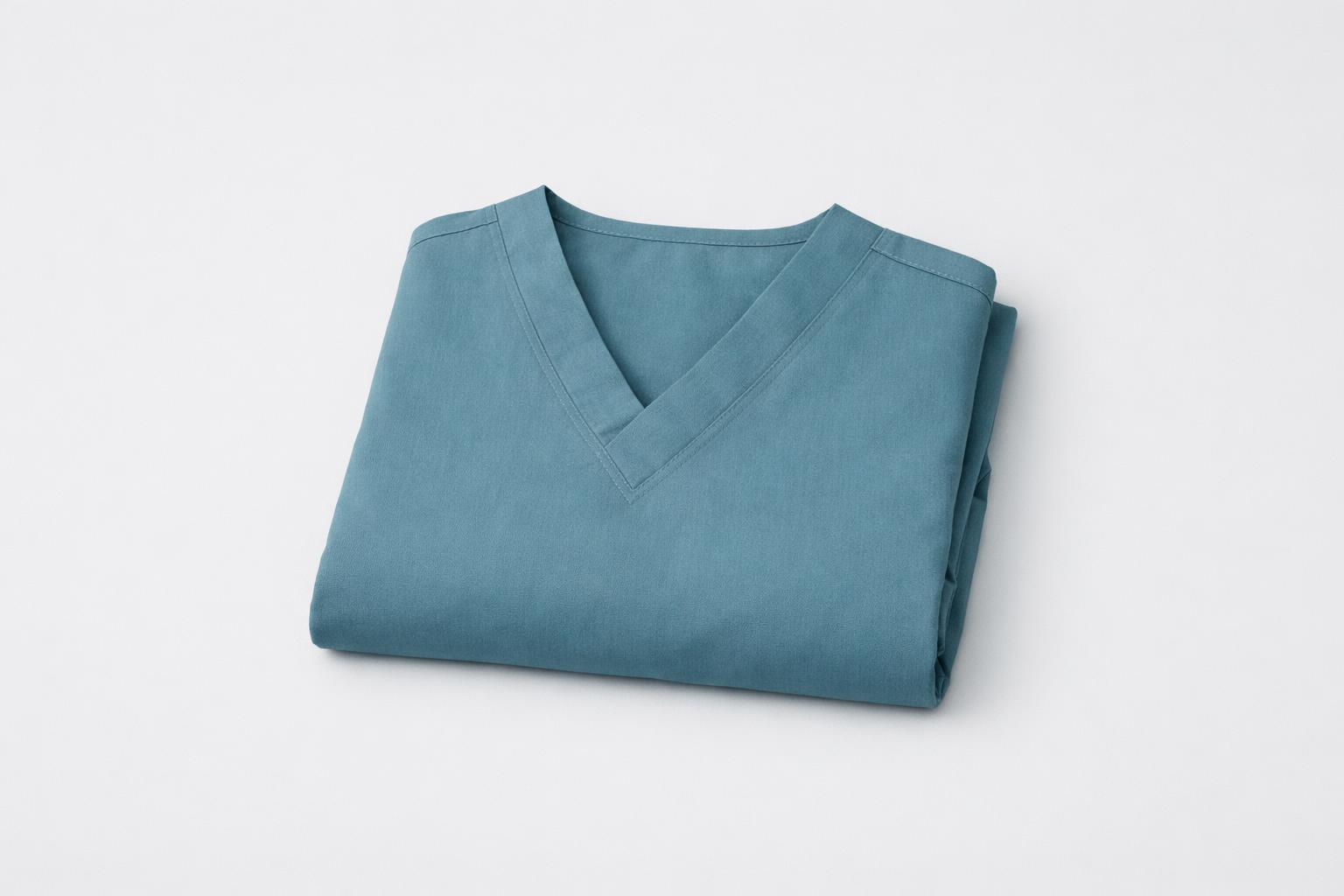
Scrubs tunic, M
Each£12.50
4.8 kg CO2e
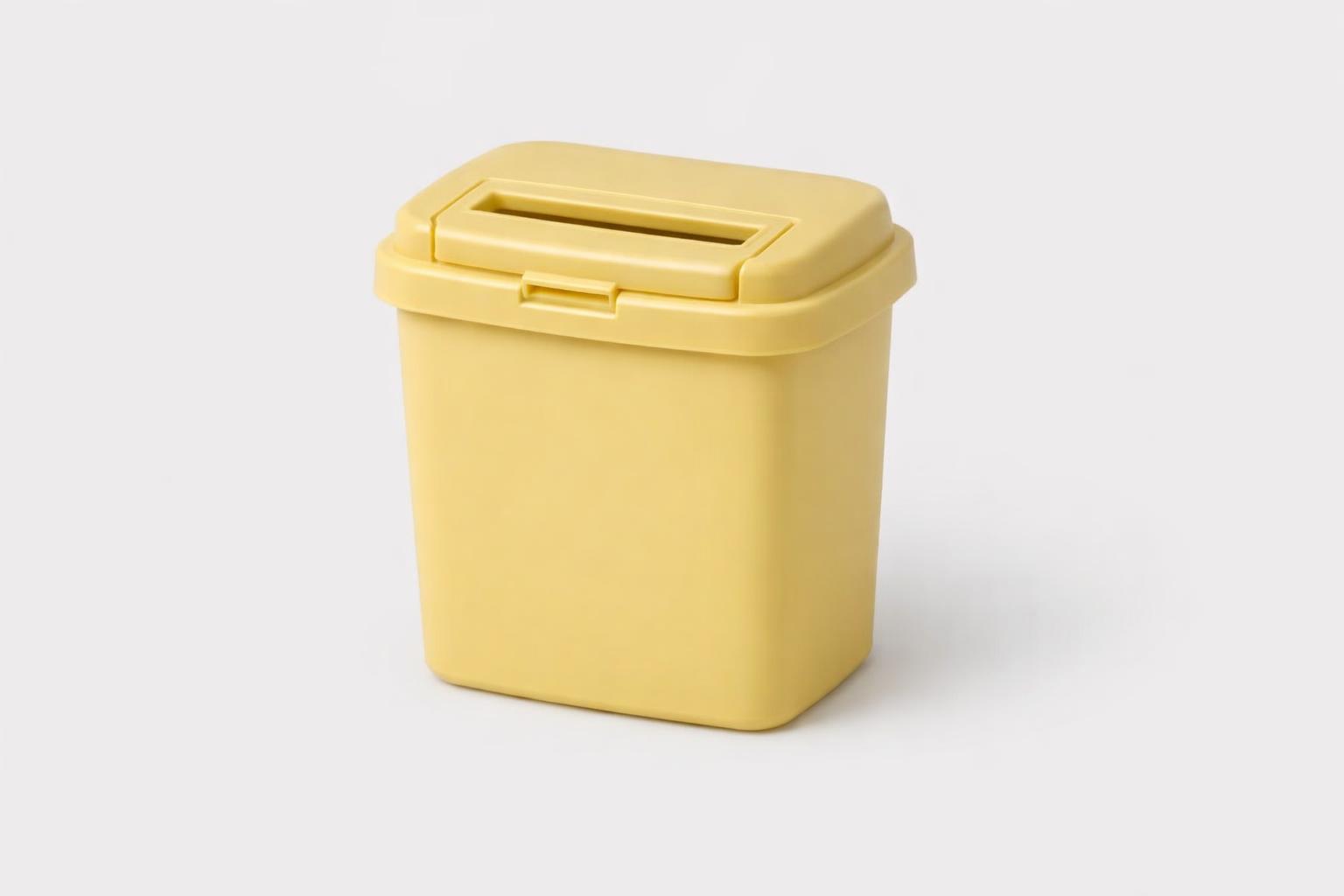
Sharps container
1 litre£2.10
0.5 kg CO2e
Illustrative example: six catalogue products, each shown with an illustrative carbon footprint per pack.
The engine
You don't need a bill of materials for every product to begin. Send your catalogue as it is, with prices. GreenInsight cleans, classifies and footprints every line.
01
Sent as it is: names, descriptions, prices and origin where you have it.
02
Every line is classified, given its recipe and footprinted with the best evidence available.
GreenInsight
03
A carbon figure for every product, with deeper analysis where it's useful.
The evidence behind each footprint
GreenInsight reads every catalogue line – description, units, origin – and works down from the most specific evidence. If a similar product with the same specification already has a footprint, we use it. If none does, we model it.
ISO 14067
The product carbon footprint standard
The international standard for measuring and reporting the carbon footprint of a single product. It's the reference buyers in the UK and Europe look for when they ask for product-level figures.
GHG Protocol
How emissions are counted
The global framework most organisations use to count and report their greenhouse gas emissions, including the Scope 3 figures your customers build from what they buy.
Standards
Our method is aligned with both. Your footprints follow the rules your customers' own reporting already uses, so they can take your figures into their Scope 3 numbers without translating them first.
Every footprint starts from the strongest evidence available for that product, and the method behind it is the same across your whole catalogue.
We're having our methodology independently validated, so buyers who ask for third-party assurance will have it.
One product, start to finish
Take one line from an ordinary catalogue: a 3 mL syringe with a description, a pack size and a price, but no carbon data. Here's how the engine gets from that line to a footprint.
| Component | Material | g CO2e |
|---|---|---|
| Plunger rod | Polypropylene | 3.2 |
| Plunger seal | Synthetic rubber or TPE | 1.0 |
| Barrel | Polypropylene | 5.2 |
| Needle hub | Polypropylene | 0.6 |
| Needle | Stainless steel | 0.6 |
| Protective cap | Polypropylene | 1.0 |
| Total per syringe | 11.6 | |
| 100 syringes | 1,160 | |
| Box and packaging | Board and film | 40 |
| Box of 100, total | 1,200 (1.2 kg) |
The knowledge behind it
Over the years we've learned to recognise 74 million products, however messily they're described, and the 1.8 million attributes and components they're made from. So a new catalogue doesn't start from a blank sheet.
74million
products recognised and classified
1.8million
attributes and components they're made from
| Product | Plastic | Steel | Rubber | Paper | Packaging | Transport |
|---|---|---|---|---|---|---|
| Syringe, 3 mL | high | low | low | none | medium | low |
| Nitrile glove | none | none | high | none | medium | low |
| Hand towel | none | none | none | high | medium | medium |
| Paper cup | low | none | none | high | low | low |
| Laptop | medium | high | low | none | medium | medium |
| Attribute or component | Syringe | Glove | Towel | Cup | Laptop |
|---|---|---|---|---|---|
| Plastic | high | none | none | low | medium |
| Steel | low | none | none | none | high |
| Rubber | low | high | none | none | low |
| Paper | none | none | high | high | none |
| Packaging | medium | medium | medium | low | medium |
| Transport | low | low | medium | low | medium |
The product matrix, illustrative. Each recognised product maps to the attributes and components it's made from, in proportion: materials, packaging and transport.
Compare the routes
Most routes either hand the work to your team or price each product as its own study. We start from the catalogue you already have and cover it in one go.
| Co2Analysis | Self-service PCF tools | Consultancy LCA studies | |
|---|---|---|---|
| Who does the work | We do, with GreenInsight | Often your team, in a self-service tool | A consultant, with data requests to you |
| What you provide | Your catalogue with prices; BOMs optional | Structured product data, depending on the tool | Usually detailed data for each product |
| Set-up | No software to install or integrate | Tool set-up and integration, plus team time | Data collection for each product |
| Time to results | Within weeks, for your whole catalogue | Quick once products are modelled | Typically weeks per screening study1 |
| Scale | Every product in one go | Many products, once set up | Usually product by product |
| Cost | Priced for whole catalogues | Varies, plus set-up and team time | Around £3k–£10k per screening study1 |
Typical approaches; requirements vary by provider and assessment depth. 1 Screening-level, carbon-only footprint of a single product: Carbon Managers, 2026 UK LCA cost guide.
For NHS suppliers
NHS England's Net Zero Supplier Roadmap brings in carbon footprinting for individual products from April 2028. The NHS will set the scope and methodology with suppliers and regulators. Covering a whole catalogue takes time, so starting now gives you room to prepare.
Outside the NHS, the same request comes from customers reporting Scope 3 Category 1 (purchased goods and services). A footprint for each product gives them a product-level figure instead of a spend-based average.
Source: NHS Net Zero Supplier Roadmap, June 2026 · england.nhs.uk/greenernhs
NHS trusts are our largest group of clients. The organisations you supply may already be measuring their supply chain with us.
Questions
A product carbon footprint (PCF) is the greenhouse gas emissions of one product, given as a single CO2e figure. A life cycle assessment (LCA) is a fuller study of a product's environmental impacts, usually one product at a time. An environmental product declaration (EPD) is a verified document based on an LCA. We don't produce LCAs or EPDs; where you already have them, we use them in your footprints.
Your product catalogue as it is: product names and descriptions, pack sizes and units, and a buy or sell price. Supplier, manufacturer and country-of-origin details help where you have them. Bills of materials are optional.
No. GreenInsight estimates each product's recipe from what we already know about similar products. If you do have bills of materials or material data, for example in your ERP system, we can use them for more specific results.
With Rapid PCF, you get one CO2e figure for every product line in your catalogue. With Enhanced PCF, we go deeper on the products you choose, using their materials or BOMs where you have them.
The NHS hasn't yet set the scope and methodology for product-level footprints. It plans to agree them with suppliers and regulators ahead of April 2028. Footprinting your catalogue now gives you a baseline to build on as the requirements are confirmed.
Rapid PCF is £50 per product for catalogues of up to 200 products. Larger catalogues get a tailored quote with volume discounts. Enhanced PCF is priced to your scope. Results for a whole catalogue typically arrive within weeks.
Tell us about your catalogue and we'll recommend the right starting point, whether that's Rapid PCF across every product or deeper analysis where it matters.
What happens next
Why Co2Analysis
Prefer to see a worked example first?Book a demo
Footprinting what you buy, too? See Carbon AccountingPCF enquiry
We'll only use your details to reply to this enquiry. See our privacy policy.
We use cookies to understand how people use this site and which adverts bring them here. The site works either way. Privacy policy